Did you know a finished basement can increase a Seattle home’s usable square footage by up to 30%? It also recoups a significant portion of its cost at resale. That makes basement remodeling in Seattle a smart option for families who need extra room or want to generate rental income.
Go to website of Home Remodeling Seattle WA

View details about Basement Remodeling Seattle

This webpage is about Home Remodeling Kirkland
Picture turning your basement into a warm family room, a secluded guest suite, or a functional home office. A smart seattle basement renovation can transform neglected space into an area that adds real daily value. Many projects are finished within 4–8 weeks. However, adding bathrooms or bedrooms can increase both the timeline and the budget.
Partnering with seasoned professionals helps the project move forward smoothly. Professional basement remodel seattle contractors carefully inspect for water issues, ceiling height, egress windows, and utility access. That makes sure the completed area is safe, attractive, and durable.
Before starting, consider both your personal needs and the resale value. The right basement remodeling services seattle can help you include features like a bathroom, wet bar, or additional bedroom while keeping spending under control.
Basement Remodeling In Seattle
Turning a dark, unused basement into a lively living area is a smart move for Seattle homeowners. Finishing a basement adds living space without requiring a home addition. It also enhances resale value and can generate rental income if designed correctly. Many homeowners want a legal bedroom, a full bathroom, and a small kitchen or wet bar.
Seattle basement renovation specialists highlight the need for a detailed evaluation. Checking for moisture, verifying drainage, and spotting structural or mechanical limitations are essential steps. Addressing these issues early helps avoid delays and keeps the project on track. Typical full-trade remodels usually take four to eight weeks.
Basement remodeling is especially attractive in Seattle because of the city’s compact urban lots. It gives homeowners a way to add room without changing the yard or curb appeal. Upgrades like better insulation, vapor barriers, and energy-efficient lighting enhance comfort and appeal during rainy seasons.
When looking for the best basement remodelers in Seattle, choose teams experienced with permits and local code requirements. Qualified teams manage framing, electrical, and plumbing while coordinating required inspections. That approach helps prevent surprises and ensures the finished space meets rental or resale standards.
Effective renovations can transform storage or mechanical rooms into family rooms, home offices, or rental suites. Selecting the right fixtures, durable flooring, and moisture control strategies ensures the space is usable throughout the year. Experts advise using reliable materials and proper ventilation to help finishes last longer.
| Project Step | Local Focus | Typical Timeframe |
|---|---|---|
| Initial assessment | Moisture, foundation, mechanical layout | 1–3 days |
| Permit & design | Local Seattle code review for egress and plumbing | 1–3 weeks |
| Rough trades | Framing, electrical, plumbing, HVAC adjustments | 1–3 weeks |
| Finishes | Drywall, insulation, flooring, and fixtures | 1–2 weeks |
| Final inspections | Code compliance for bathrooms and bedrooms | 1–2 days |
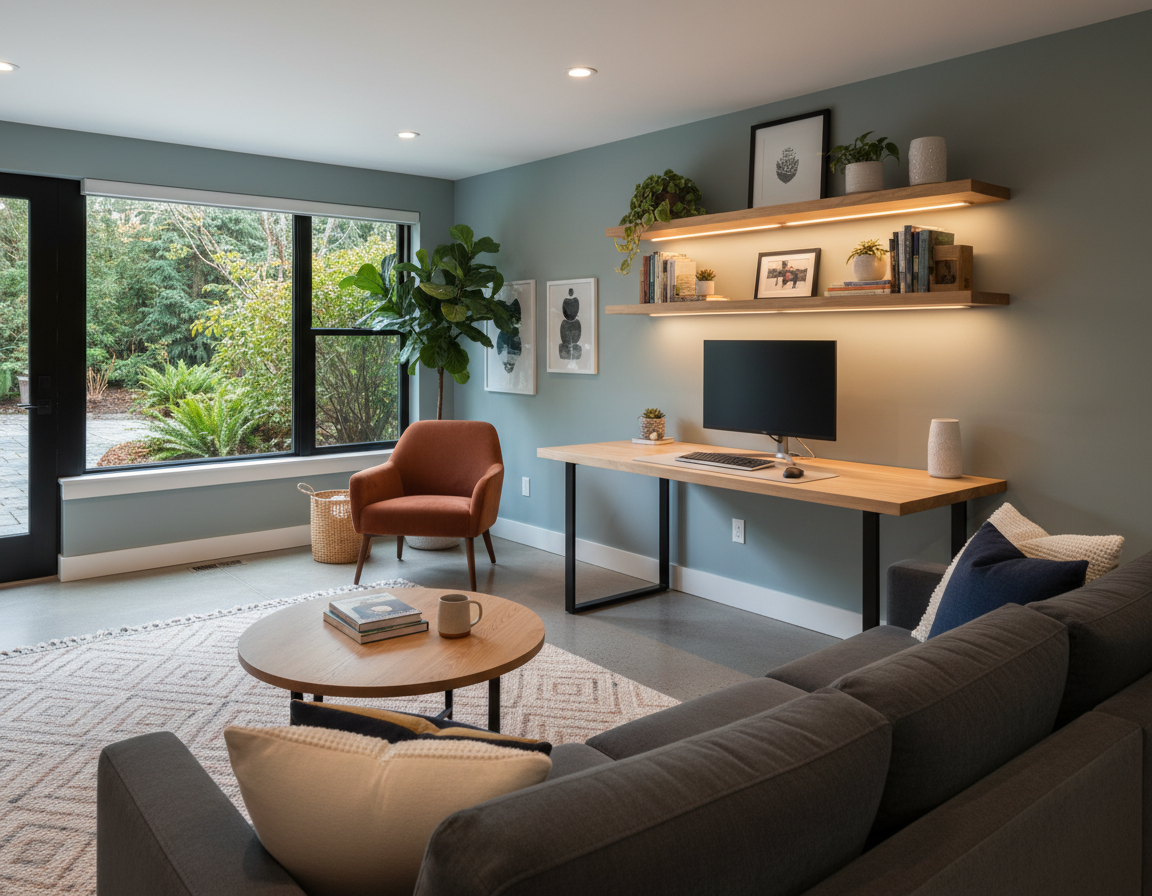
Planning Your Seattle Basement Renovation: Assessments And Goals
A well-thought-out plan is key to a successful project. Start by conducting a detailed assessment of the basement. Then, set goals that align with your needs and budget. Early choices have a major impact on the final outcome, influencing both livability and resale value.
Initial Site Assessment Essentials
Check for water stains, mold, and cracks in the foundation before the design phase begins. Check the ceiling height, existing windows, and egress paths. Make sure the basement can meet code requirements for bedrooms or rental use.
Map out where the HVAC, plumbing, and electrical lines are located. Locate load-bearing walls and support posts to plan safely. Take note of any slope or drainage concerns that may affect moisture control.
Setting Clear Project Goals And Scope
Decide on the primary use: bedroom, full suite, family room, home gym, or mixed-use space. Focus on key needs such as egress windows for sleeping spaces, durable materials for damp conditions, and good ventilation.
Balance features for daily enjoyment with those that add value for resale. Working with experienced Seattle contractors can help refine the project scope and provide realistic pricing expectations.
Budgeting And Seattle Basement Remodel Cost Expectations
Starting a basement remodel requires a clear budget and realistic cost expectations. Projects can range from simple rec rooms to full suites with a bathroom and bedroom. Knowing the main cost factors helps homeowners make choices that stay within their budget.
Typical Cost Drivers For Basement Remodels
Project size and scope strongly affect pricing. Including a full bathroom and bedroom raises both labor and material costs. Premium finishes, custom millwork, and built-in cabinetry also increase costs.
Unexpected hidden issues can affect the budget. Structural repairs, moisture control work, and improved drainage add extra costs. Moving electrical or plumbing lines adds both time and labor costs.
Specific features also influence pricing. Popular Seattle upgrades such as wet bars, kitchenettes, soundproofing, and specialty lighting tend to increase costs. A finished basement can add value, although ROI depends on local demand and the quality of the work.
Budget Planning Tips And Contingencies
Tiered pricing can help set clear expectations. Set up basic, mid-range, and premium budgets so you can compare choices. Many homeowners keep costs manageable by selecting durable and cost-effective finishes.
Include all line items in estimates. Items such as labor, materials, flooring, windows, electrical, plumbing, drywall, paint, tile, fixtures, millwork, and a 2-year construction warranty should all appear in the estimate. Also add design fees of roughly 6%–8% plus a buffer for sales tax, permit costs, and appliances.
Plan for contingencies. Set aside roughly 20% of the project cost for unexpected work and delays. Try to secure a fixed-price contract with a detailed scope of work. Design-build firms and leading basement contractors seattle often offer pricing guidance and permit help.
| Price Tier | Typical Range | Common Features | When to Choose |
|---|---|---|---|
| Basic | $15,000 – $35,000 | Open recreation space, basic flooring, simple lighting, no full bathroom | Cost-conscious updates or rental-ready spaces |
| Mid-range | $35,000 – $80,000 | Completed rooms, better flooring, full bath, light millwork | Owners adding living space with quality finishes |
| High-end | $80,000+ | Kitchenette, custom cabinetry, premium finishes, structural changes | High-end suites or extensive layout changes |
Complete remodels typically take about 4–8 weeks. Projects that include a bathroom and bedroom generally start at around $50,000 or more, depending on scope. A number of contractors in Seattle offer free consultations to sharpen estimates and discuss permit requirements.
Comparing bids from at least three reputable firms highlights realistic pricing and trade-offs. Look for detailed scopes from top basement contractors seattle and prioritize firms with transparent estimates to minimize surprises.
Design And Material Choices For Durable Seattle Basements
Choosing the right materials is essential for creating a basement that is both durable and functional in Seattle’s damp climate. A thoughtful design should balance warmth, moisture control, and ease of maintenance. These considerations safeguard your investment and ensure the space remains healthy throughout the year.
Flooring Options Suited To Damp Climates
Luxury vinyl plank remains one of the best options for basements with moisture concerns. It resists water, resembles wood, and is easy to maintain.
Another moisture-resistant and durable option for bathrooms and wet bars is ceramic or porcelain tile. Concrete finished over a moisture barrier is a durable modern choice that can be stained or sealed for visual appeal.
Traditional hardwood is not recommended unless elevated subfloors and robust moisture control are installed. Choosing flooring based on use and foot traffic helps a professional remodel in Seattle deliver long-lasting results.
Wall, Insulation, And Ventilation Strategies
Moisture-resistant drywall or cement board should be used in high-risk areas to reduce mold risk. Combine these with closed-cell spray foam or mineral wool insulation for thermal and sound benefits.
Good ventilation is critical in Seattle basements. Mechanical systems like energy-recovery ventilators, air exchangers, and dehumidifiers manage humidity. When conditions allow, simple window fans can also help.
Heating options include extending central HVAC, ductless mini-splits, wall-mounted electric heaters, or hot-water baseboards. Durable bathroom fixtures and solid-wood cabinetry with reliable hardware and strong joinery also improve longevity in humid conditions.
Collaborating with experienced teams ensures materials align with budget and climate. Seek basement remodeling services in Seattle that offer customized plans and affordable finishing without compromising quality. A dependable contractor can turn those material decisions into a practical and stylish space that meets professional standards.
Hiring Top Basement Contractors And Remodelers In Seattle
Selecting the right team is one of the most important parts of a successful basement remodel. Look for contractors with Seattle experience, clear timelines, and straightforward pricing. A design-build firm can streamline communication, reduce delays, and handle permits and inspections for you.
What To Look For In A Professional Basement Remodel Team
Ensure the contractors are licensed, insured, and have a local project history. Request references from Seattle-area jobs and recent portfolios featuring moisture-resistant finishes and efficient layouts. Opt for teams that manage all trades and offer a fixed-price contract with a detailed scope of work.
Choose contractors who clearly explain permit timelines and inspection requirements for Seattle and King County. Look for firms with published warranty policies and reputable brands for materials. This approach lowers risk and safeguards your investment.
Questions To Ask Prospective Contractors
Use a set of questions when interviewing contractors. Be sure to ask if they handle Seattle permits and inspections, offer fixed-price contracts, and what their usual timeline and warranty policy look like.
Ask for a detailed breakdown of labor, materials, and contingencies. Ask for references from recent projects and examples of handling damp or uneven basements. Confirm the primary contact and how change orders are handled.
| Selection Factor | What to Request | Why it Matters |
|---|---|---|
| Experience with Seattle basements | Portfolio, neighborhood references, recent project photos | Shows knowledge of local code requirements, soil conditions, and moisture control |
| Permitting and inspections | Inspection timeline, written permit plan, and permit fee estimate | Ensures compliance and avoids costly rework |
| Contract and pricing | Detailed scope, fixed-price contract, payment schedule | Clarifies responsibilities and reduces surprises |
| Project management | Weekly updates, communication plan, and assigned project manager | Helps keep the project on track and improves coordination |
| Warranty and post-completion support | Contact for warranty service, written warranty terms | Helps protect against defects and later issues |
| Reputation and reviews | Better Business Bureau, online reviews, trade references | Reflects consistent quality and customer service |
Seattle homeowners often compare the best basement remodelers seattle with the top basement contractors seattle to identify the right match. Reach out to seattle basement renovation experts for a consultation and ask for a clear estimate and timeline before you commit.
Value-Adding Features And Layout Ideas For Seattle Basements
With strategic upgrades, a neglected cellar can become a vibrant space that may even generate income. When design elements match the upper levels, the whole home feels more cohesive. Seattle homeowners often work with professionals to meet code requirements, improve comfort, and raise resale value.
A legal bedroom with an egress window can significantly increase usable living space while staying compliant with safety rules. A full bathroom on the same level makes the space more appealing and more practical for rental use.
Installing a wet bar or kitchenette can elevate the space for both entertainment and tenant convenience. High-end finishes such as engineered hardwood or luxury vinyl plank, along with custom millwork, significantly enhance the property’s perceived value.
Implementing smart storage solutions, built-in cabinets, and efficient lighting can declutter the space and give it a polished finish. Basement remodeling in Seattle often centers on these value-adding details because they can improve return on investment.
Popular layout concepts
A guest suite with a private bathroom is ideal for families and short-term rentals, appealing to those seeking flexibility. Buyers looking for flexible living arrangements often prefer this layout.
An open family or media room combined with a wet bar creates an inviting entertainment area. Incorporating acoustic treatments and zoned lighting can achieve a cinematic atmosphere.
Private gyms and home offices need dedicated ventilation and strong task lighting. Thoughtful placement of electrical and plumbing during the remodel can prevent costly adjustments later.
| Feature | Benefit | Typical Cost Range |
|---|---|---|
| Egress window and legal bedroom | Adds safe livable space; enables rental or ADU options | $3,000 – $8,000 |
| Full bathroom | Increases functionality and rental appeal | $10,000 – $25,000 |
| Wet bar / kitchenette | Enhances entertaining and tenant convenience | $5,000 – $15,000 |
| High-quality flooring and finishes | Boosts perceived value and durability in damp climates | $4,000 – $12,000 |
| Custom storage and millwork | Adds visual appeal and better organization | $2,500 – $9,000 |
Work with top basement renovation teams in Seattle to ensure your project aligns with zoning rules. A well-thought-out plan ensures timely completion of framing, insulation, electrical, and plumbing work. Proper permits and guidance from experts make the space safe, comfortable, and ready for use.
Project Timeline, Permitting, And Quality Assurance For Seattle Remodels
Set a realistic timeline before beginning your basement remodel in Seattle. Most projects take 4–8 weeks. Larger remodels or those adding bedrooms and bathrooms may require more time. Delays can stem from weather, permit processing, material lead times, and unexpected issues like moisture or structural repairs.
Permitting is a critical factor in your project timeline. Seattle often requires permits for major changes such as adding bathrooms or bedrooms. That process can add several days or even weeks. Many homeowners choose design-build firms or experienced contractors to manage permits and inspections. Including permit fees and inspection milestones in the budget is a wise way to reduce surprises.
Strong quality assurance is important from start to finish. Verify that all systems, from plumbing to egress windows, meet Seattle code requirements. Top contractors often offer warranties, staged inspections, and fixed-price contracts with clear scopes. It is common to see a two-year warranty on construction items. A final walkthrough is vital to confirm workmanship and compliance with codes.
Choose companies that offer full basement remodeling services, including project management and warranty-backed work. Clear schedules, documented inspections, and a detailed punch list at completion safeguard your investment. For example, Renovate Builders offers tailored services for Seattle homes that include permit handling and warranty-backed project delivery.